The Fiverr Goldmine and the AI Glitch: Why You Should Never Build on Rented Land

Paul Andrews
Audio Support • 2 June 2026

From 20 Years of Tech Support to the Gig Economy
In late 2024, after twenty years of providing high-level technical support for music equipment through my boutique consultancy, Audio Support, I decided to run an experiment and take the gig economy seriously. The goal was to see if a platform known for cheap, fast gigs could be leveraged for premium, specialised troubleshooting.
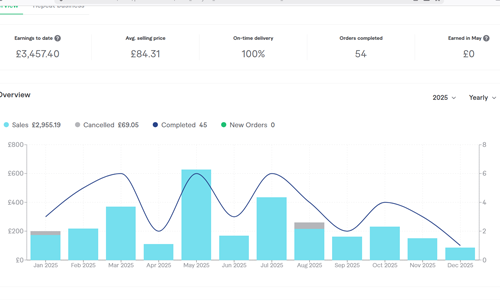
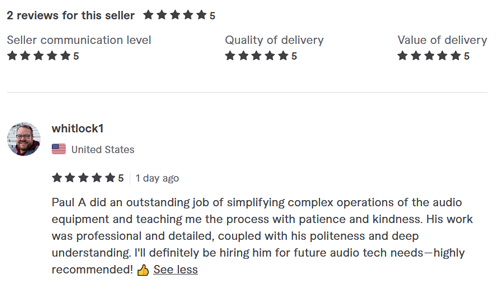
I approached it with the same rigour I apply to my daily consultancy work. I optimised my profile, hired a specialist consultant to understand the algorithm, and treated the endeavour like a real, standalone business. The results were immediate and impressive. Within a short period, I hit Level 2 Seller status and generated significant revenue. The market was clearly there.
An Unexpected Discovery: The Content Creator Niche
However, the most valuable takeaway from my experiment wasn’t the revenue; it was the clientele. I had expected to find the same demographic I usually work with: traditional musicians and recording studio owners. Instead, I discovered a massive, entirely underserved niche: content creators.
I began connecting with streamers, podcasters, and voiceover artists who had invested heavily in professional-grade gear. They were buying industry-standard equipment like the Shure SM7B microphone and high-end audio interfaces, but they were consistently plagued by complex software routing issues and audio driver conflicts. These creators were incredibly talented at what they did, but they were hitting technical walls that halted their production.
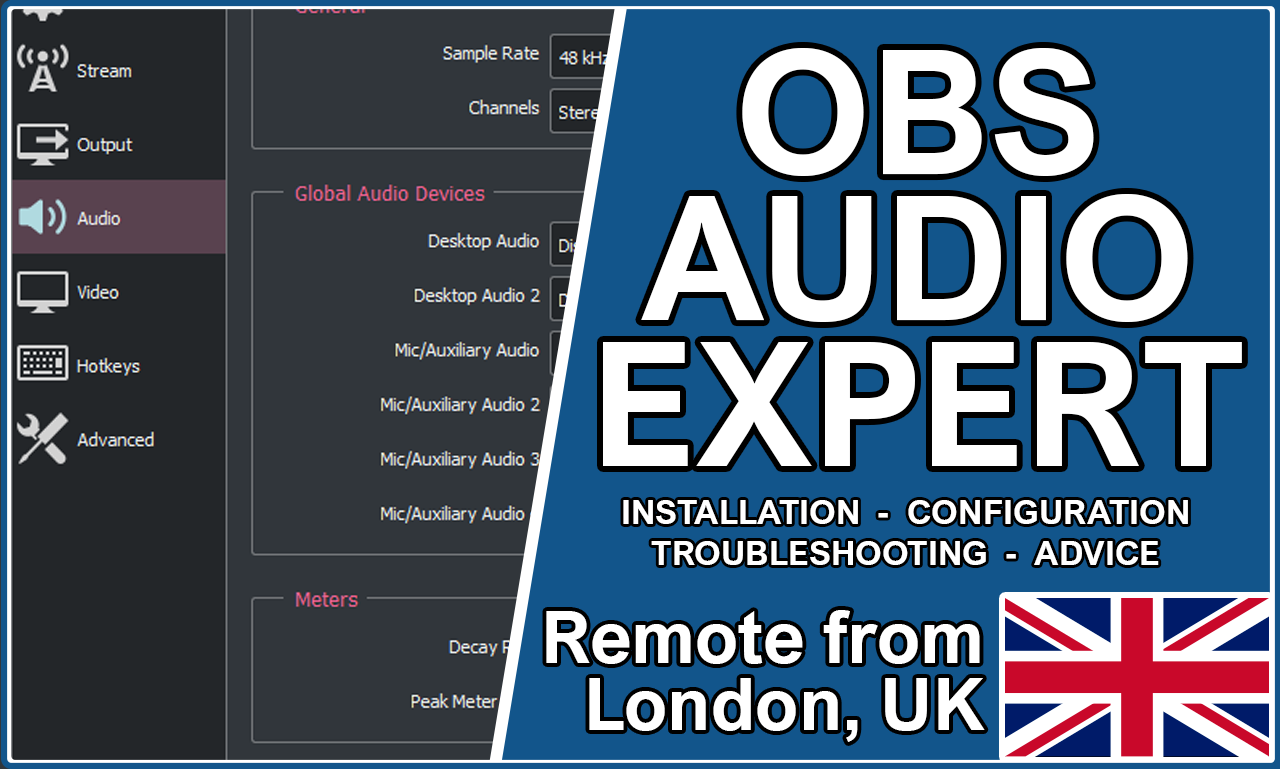
I found myself routinely fixing problems in thirty minutes that had frustrated these creators for months. To give you an idea of the technical hurdles these professionals face, here are a few recent case studies where we’ve untangled complex routing networks between hardware and broadcast software:
This recurrent experience laid the groundwork for what would eventually become Amazing Audio—a dedicated service designed specifically to bridge this exact technical gap, ensuring your voice sounds pristine across any broadcasting platform.
The Glitch: Severed by a Line of Code
Just as the momentum was building, the platform arbitrarily killed it.
A missed verification email—a minor, easily rectifiable administrative slip-up—triggered an immediate and automated account suspension. When I reached out to resolve the issue, I wasn’t met with a human who could understand the context or review my pristine seller history. Instead, an AI support bot bluntly informed me that there was “no way to progress any appeal.”
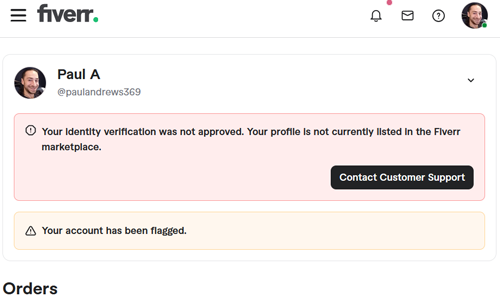
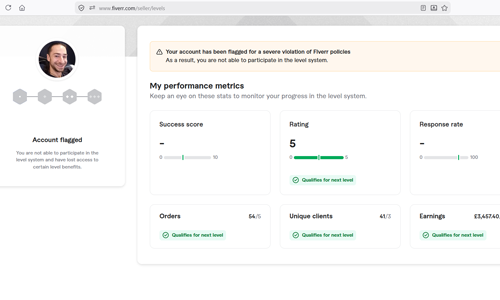
In an instant, an income stream and a growing client base were severed by a single line of code. There was no recourse, no human intervention, and no consideration for the track record I had painstakingly built.
The Wake-Up Call
This event was the ultimate wake-up call. It crystallised a vital lesson for any freelancer or early-stage entrepreneur: never build your house on rented land.
Relying entirely on a third-party platform means ceding control of your business. The algorithms, the rules, and the automated systems dictate your survival. Moving forward, my focus shifted entirely back to building independent, resilient brands like Audio Support and Amazing Audio—where the relationship with the client is direct, human, and the foundation is genuinely secure.
Independent, Reliable Technical Support
Whether you’re a podcaster struggling with OBS software routing, or a studio owner looking to optimise your high-end analogue outboard gear, you need support systems that don’t rely on automated bots or volatile platforms. At Audio Support, we provide direct, expert troubleshooting tailored to your unique setup, ensuring your creative workflow remains uninterrupted.